Workshops
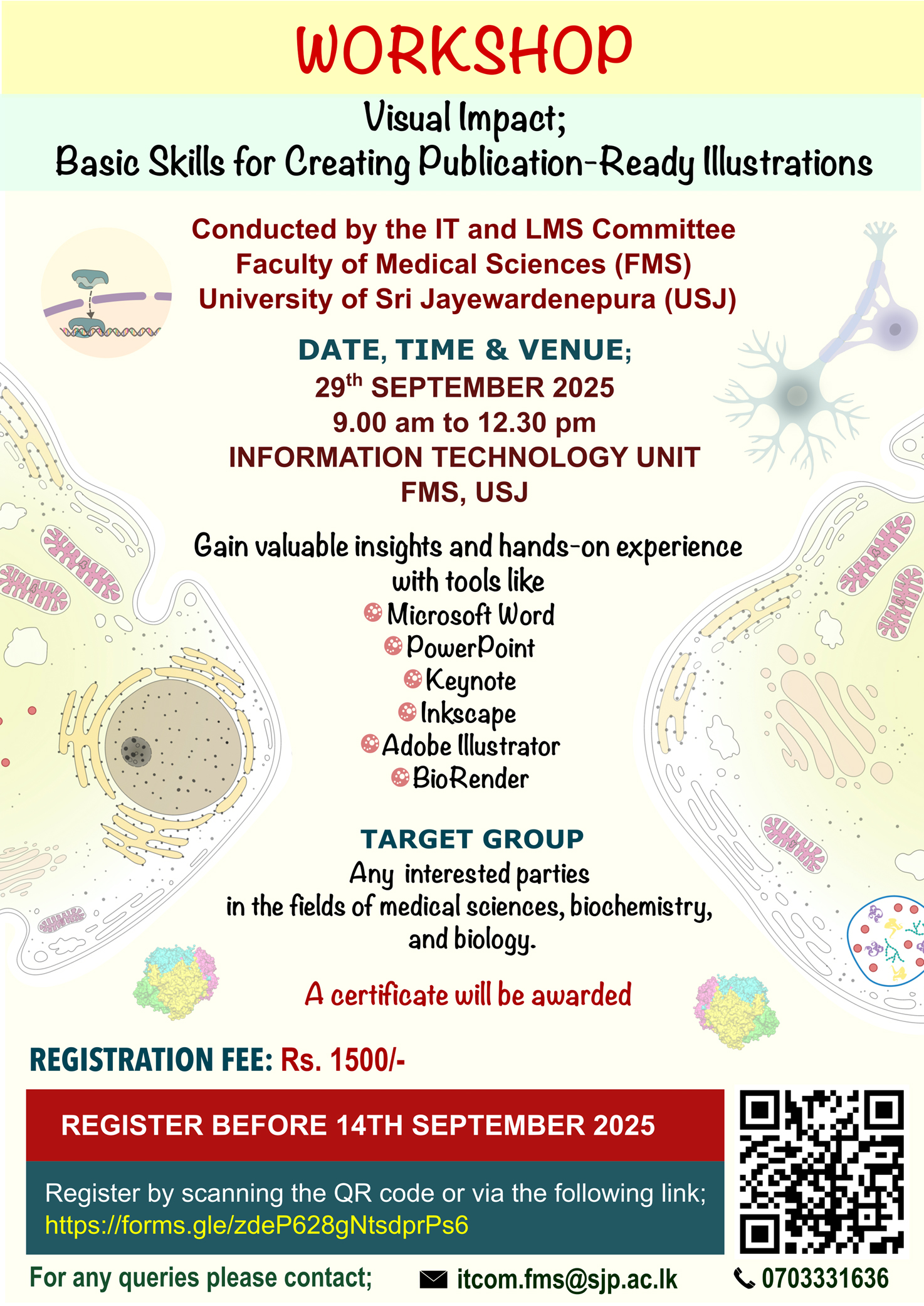
Visual Impact – Creating Effective Scientific Illustrations
Date: 29 September 2025
Venue: Mini Board Room and Information Technology Unit, Faculty of Medical Sciences
Organised by: IT and LMS Committee, Faculty of Medical Sciences
Coordinator: Dr Indika Neluwa-Liyanage
The IT and LMS Committee of the Faculty of Medical Sciences successfully conducted a hands-on workshop titled “Visual Impact – Creating Effective Scientific Illustrations” on 29 September 2025. The workshop was designed to strengthen the capacity of researchers and academics to create clear, accurate, and publication-quality scientific illustrations using both commonly available and specialised software tools.
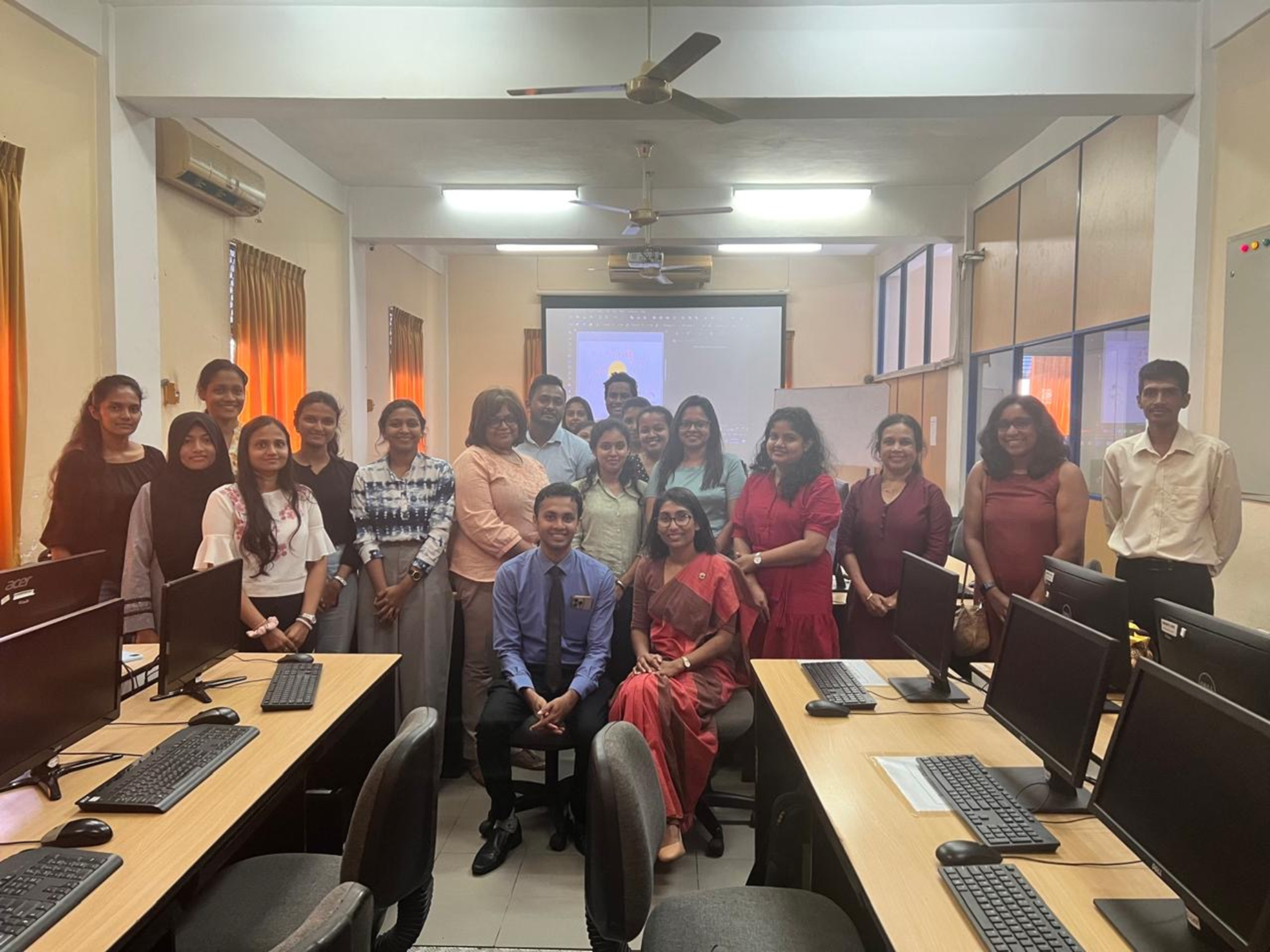
The workshop attracted postgraduate trainees, young researchers, and academics from both government and private institutions.
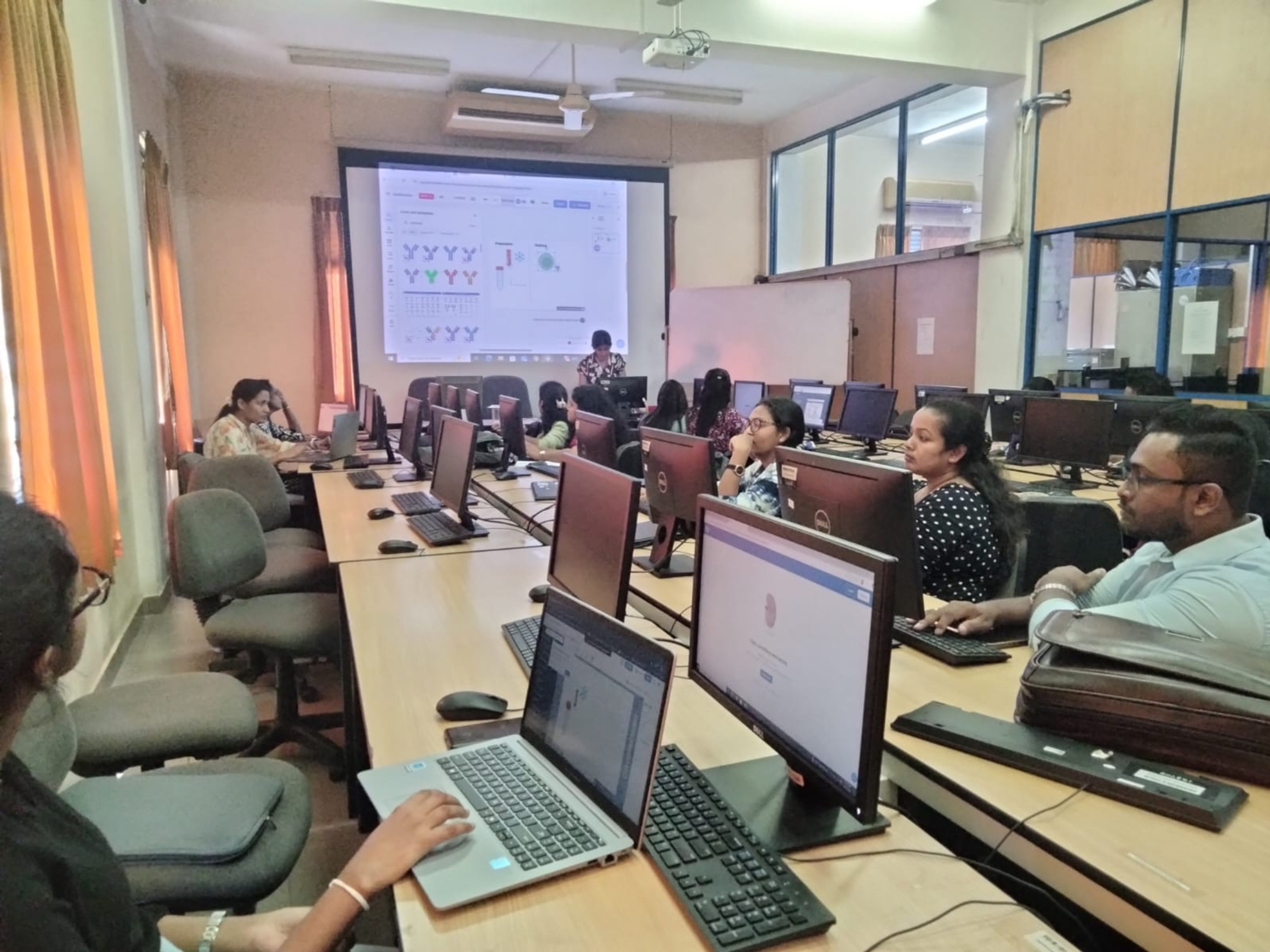
A total of 21 participants registered, and 18 participants actively engaged in the hands-on components of the workshop.
The diversity of participants contributed to rich discussion and peer learning throughout the sessions.
Objectives
The key objectives of the workshop were to:
- Enhance participants’ ability to design professional-quality scientific figures and diagrams.
- Provide practical, hands-on exposure to multiple illustration tools used in research and teaching.
- Promote best practices in visual communication for scientific publications and presentations.
Participants were introduced to and trained in the use of:
- Microsoft Word and PowerPoint
- Keynote
- Adobe Illustrator
- BioRender
- Inkscape
Resource Persons
The sessions were conducted by experienced academics with expertise in scientific illustration and digital tools:
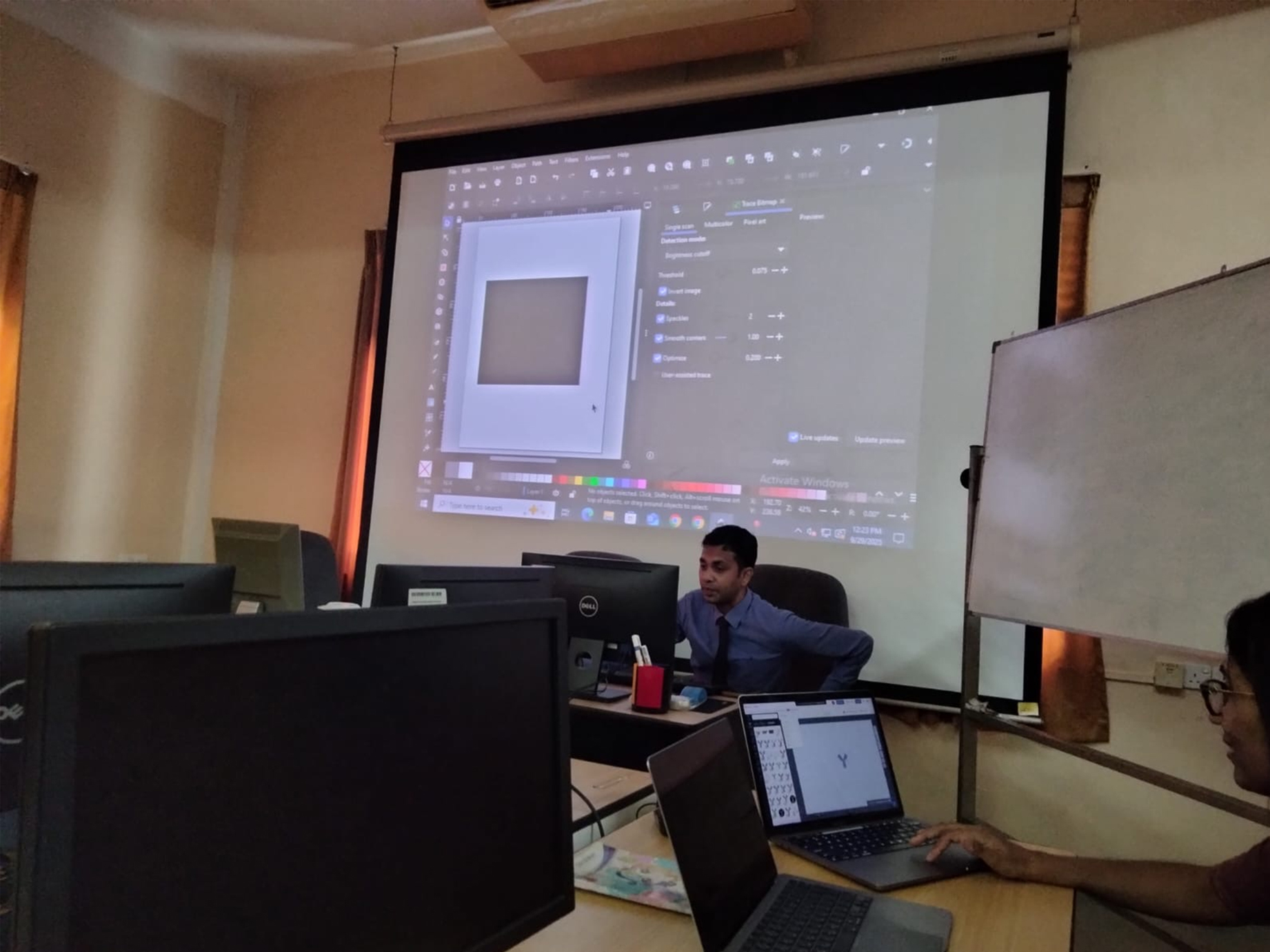
- Dr. Indika Neluwa-Liyanage – Inkscape and PyMOL
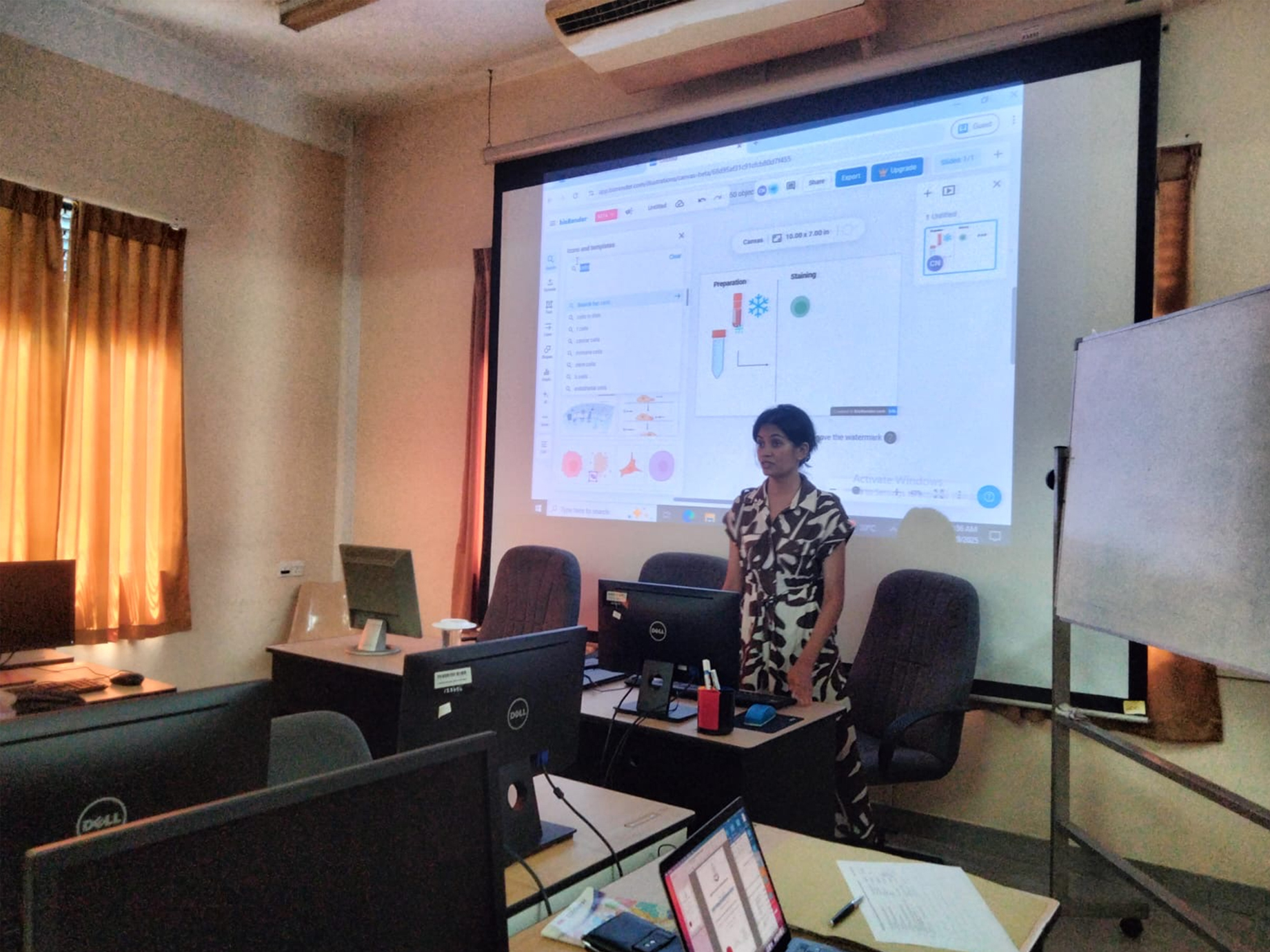
- Dr. C. Nanayakkara – BioRender
- Dr. Udara Senarathne – Adobe Illustrator and Microsoft Word/PowerPoint
Each session combined conceptual guidance with live demonstrations and guided practice.
Workshop Highlights
- Strong emphasis onpractical application, enabling participants to work directly on figure design during the workshop.
- Exposure to bothfreely available and professional software, allowing participants to select tools appropriate to their institutional and personal contexts.
- High levels of participant engagement, reflecting the growing importance of visual literacy in scientific communication.